Weather beyond next week is hard to predict. On October 14, researchers from Microsoft, MIT, ECMWF and other institutions published a method that improves existing forecasts for the two-to-six-week range.
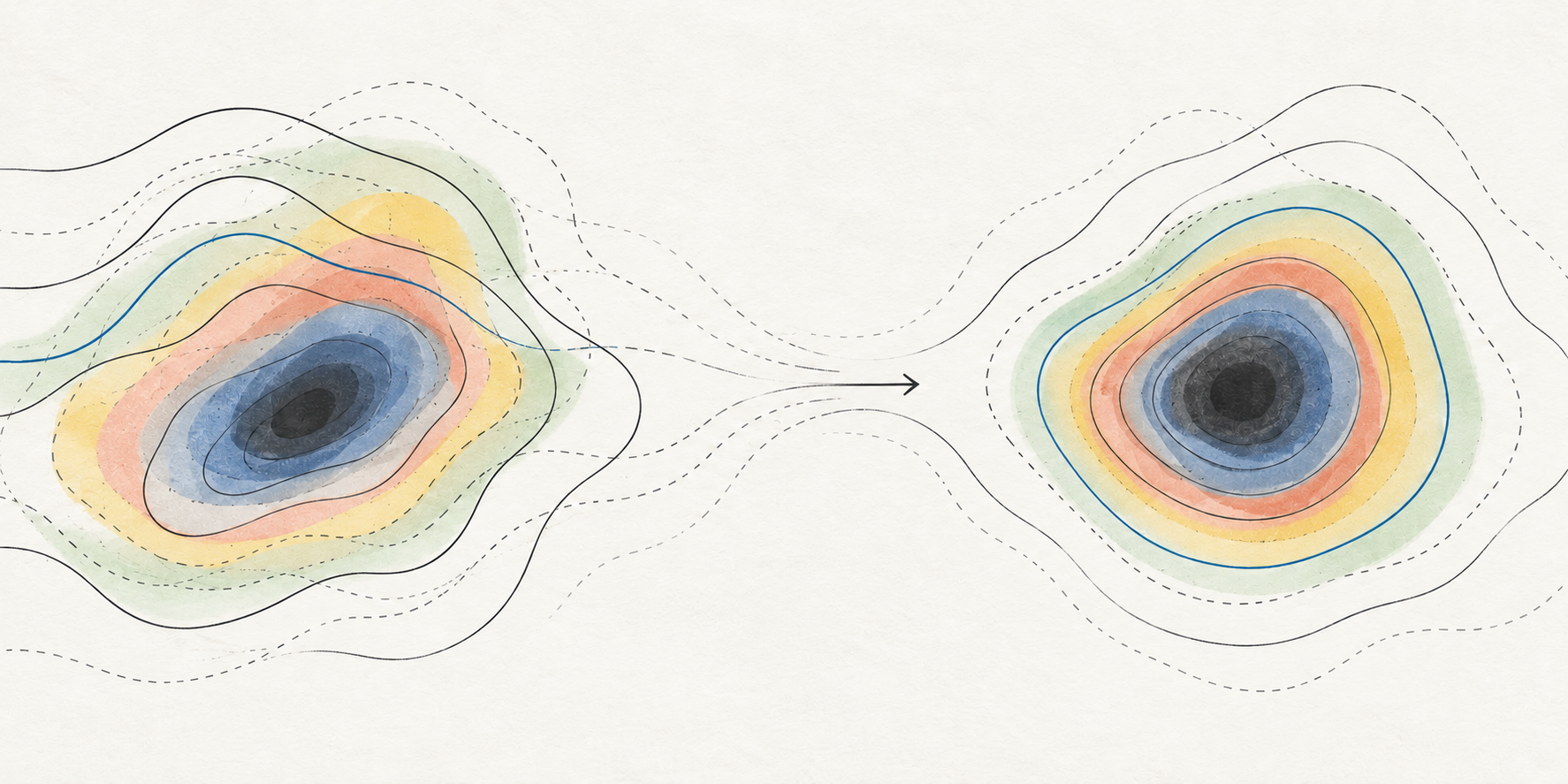
The method is called probabilistic bias correction, or PBC. It learns how a forecast model tends to miss, then adjusts the probabilities for variables such as temperature and precipitation. It does not replace physics-based models or AI forecasts; it processes their results.
In the researchers' tests, PBC improved ECMWF's physics-based model for 98 percent of precipitation targets, 92 percent of temperature targets and 91 percent of air-pressure targets. It doubled forecast skill on the measure used for ECMWF's AI system. That does not mean the weather became 98 percent more accurate, or that the method can promise sunshine on a particular Saturday.
The value is better evidence for decisions about water, energy, farming and preparation for droughts or floods. The code is open source, but this is a tool for researchers and forecasting organizations, not a finished weather app for your phone. More operational testing is needed before the results appear in your usual forecast.