On October 1, a Guardian test showed that several well-known AI services could remove religious head coverings from images. In some cases, this followed a direct request. In others, a vague request for a more “western” appearance was enough.
The problem is larger than which button was used. Such an edit can distort a person's faith, identity or choice, even if the image is neither nude nor violent. A tool saying yes does not make the use reasonable.
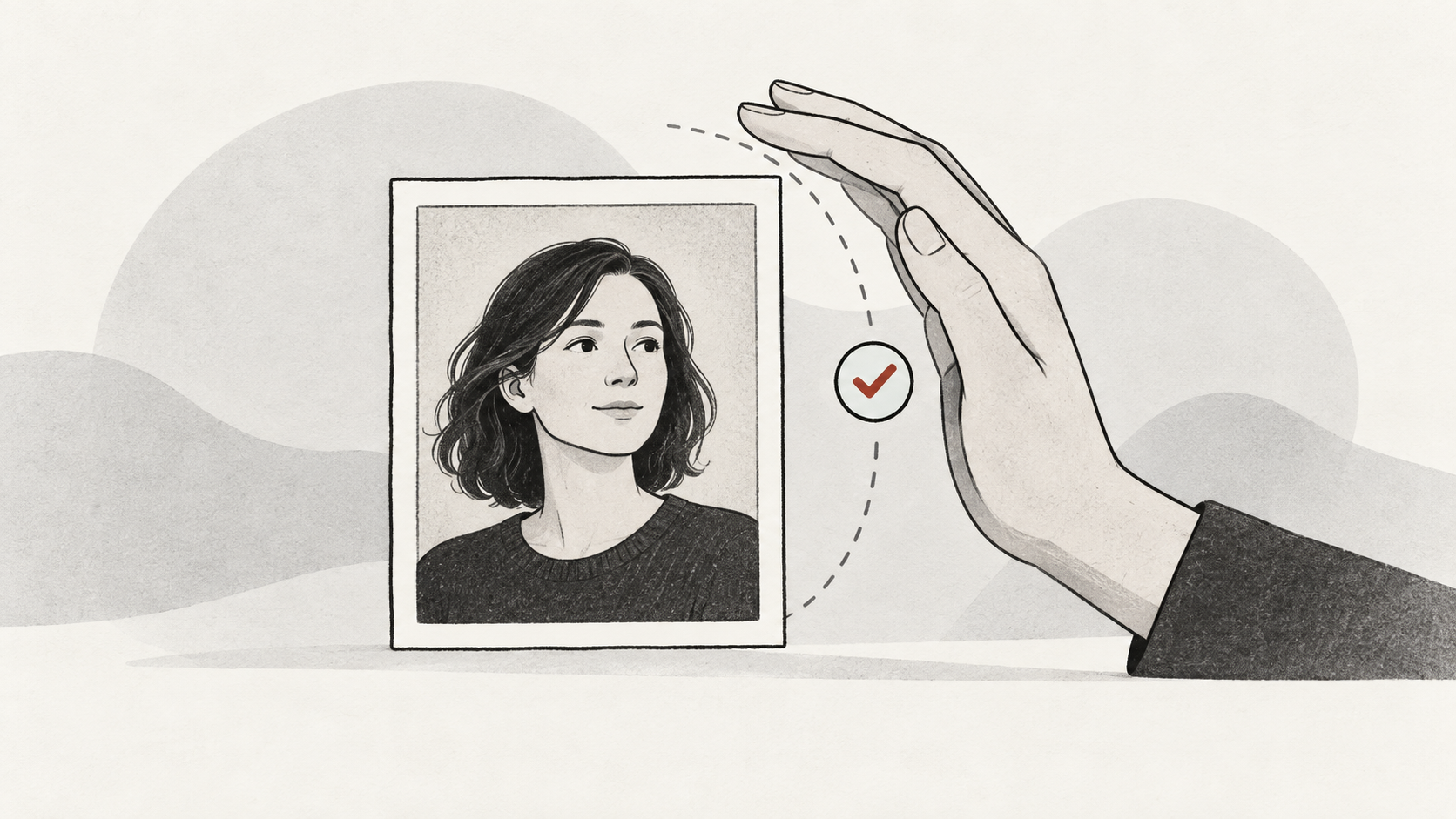
A simple rule is to ask: Has the person agreed to this particular change? If the answer is no or unclear, leave the original alone. The same applies to hair, bodies, clothing, mobility aids and other parts of how someone presents themselves to the world.
The investigation used both AI-generated sample images and an earlier real incident. It does not show that every attempt will always get the same result, but it exposes gaps in the safeguards. Research into AI-generated hate also shows how cheap image tools can scale up harassment.
AI is excellent for exploring light, colour and imagination. Use it freely, but let the person in the picture have the final say.