On 23 September, researchers at Anthropic said Claude had helped them find a previously unknown enzyme system in viruses that infect bacteria.
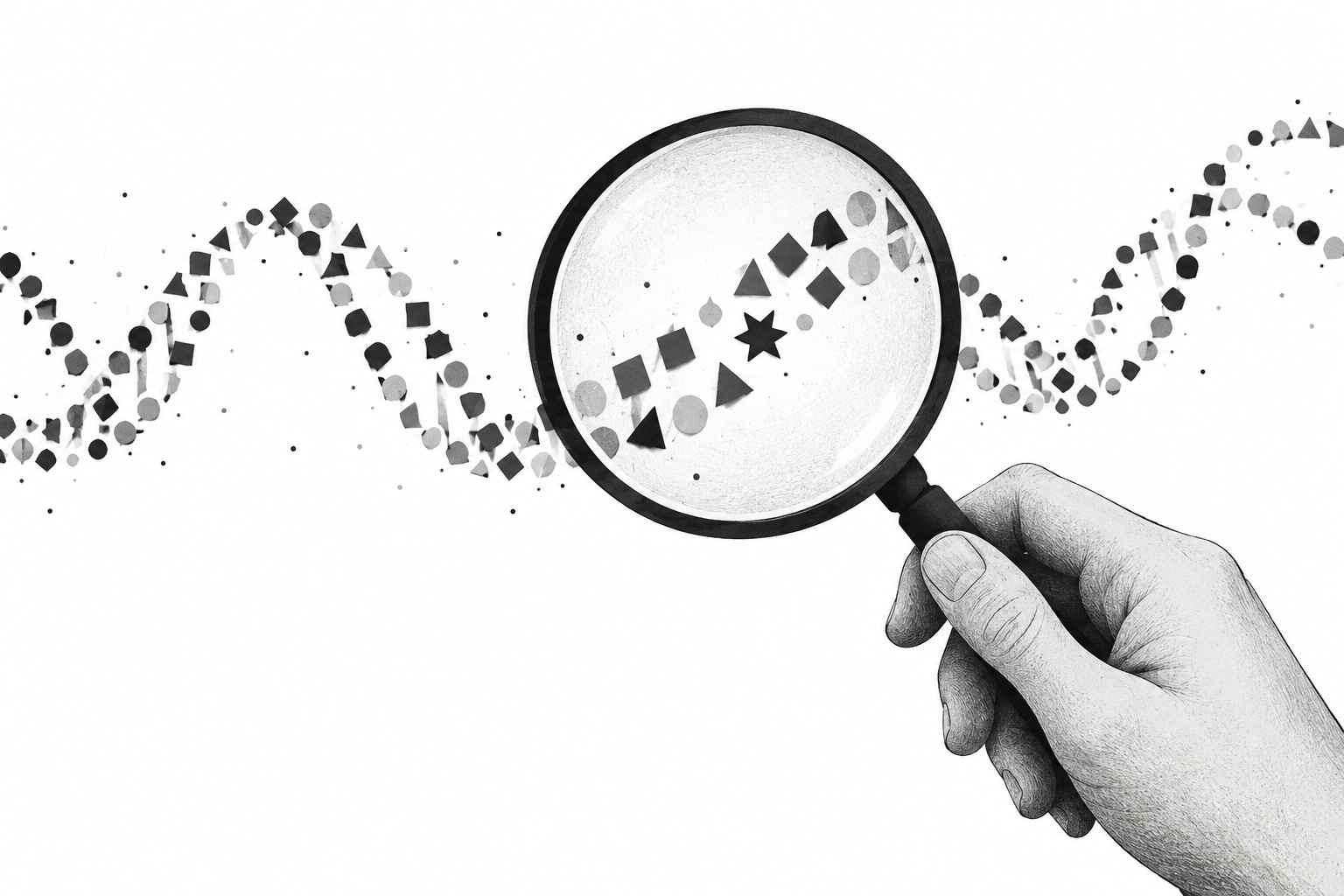
The researchers had many Claude sessions work in parallel on a large collection of DNA data. They gathered more than 200,000 reverse transcriptases, a type of enzyme, and narrowed them down to promising candidates. In the data, the AI spotted repeating pieces of DNA beside an unusual enzyme. The pattern resembles CRISPR, which is used in genetic research.
People then reviewed the suggestion and performed the laboratory experiments. The researchers call the system ART, but they do not yet know what it does. Its resemblance to CRISPR does not mean it is already a new gene-editing tool.
The result is published as a preprint and has not yet been through independent peer review. The announcement also comes from the company behind Claude.
Even so, the experiment shows an interesting division of labour. AI can search an enormous haystack and point out unusual strands. Researchers still have to decide what the finding actually means.